
Small Business Upfits & Commercial Buildouts: Why the Right Contractor Makes All the Difference
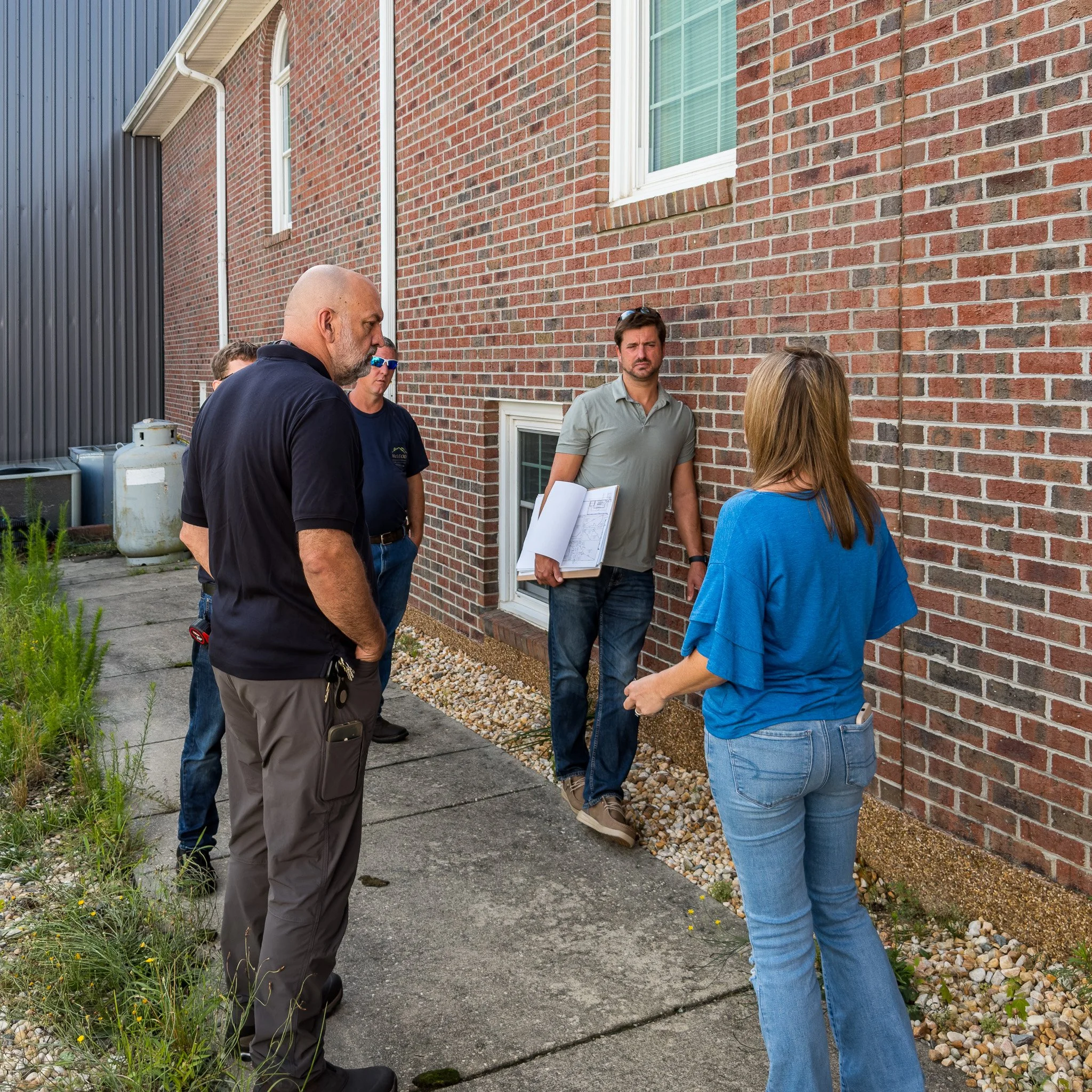
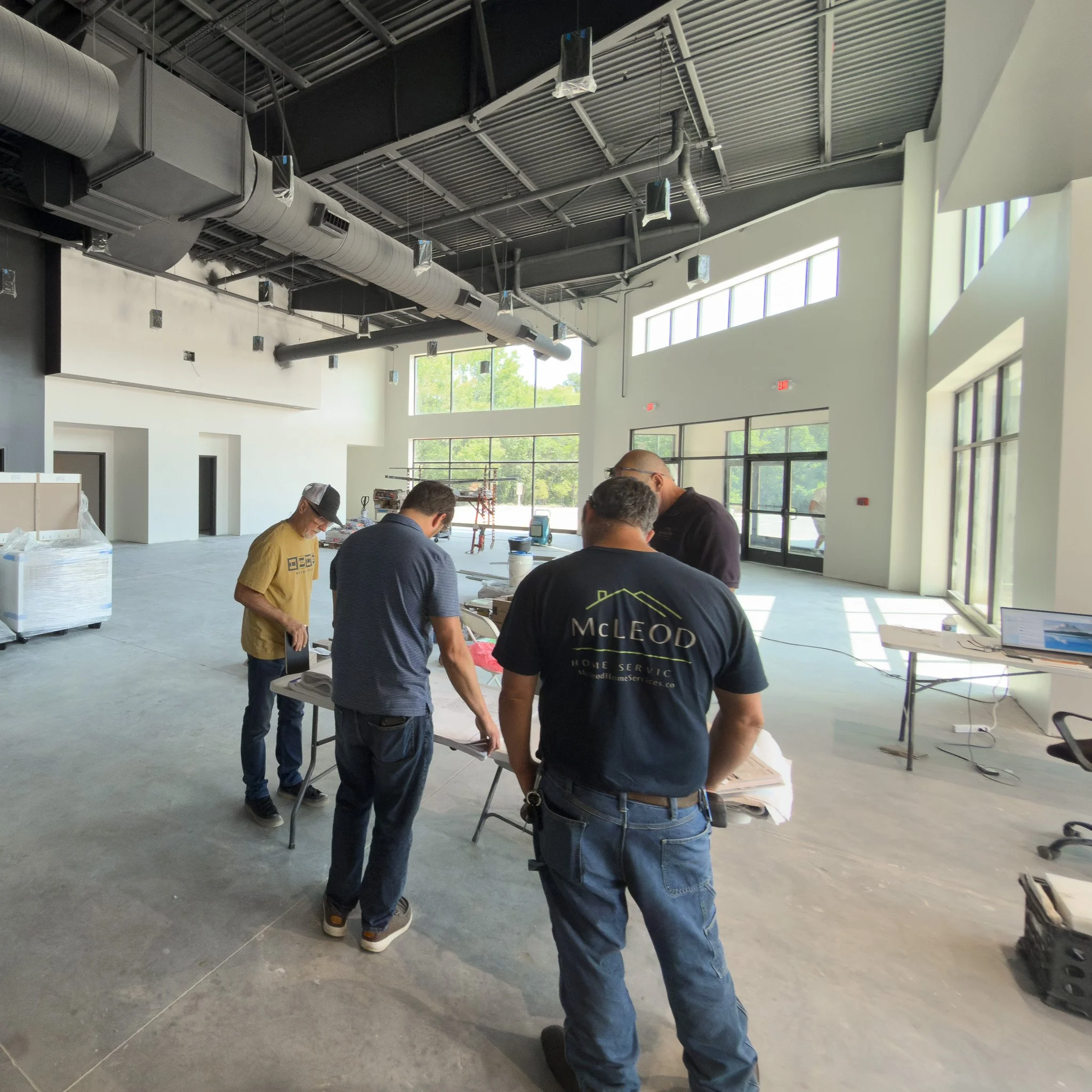
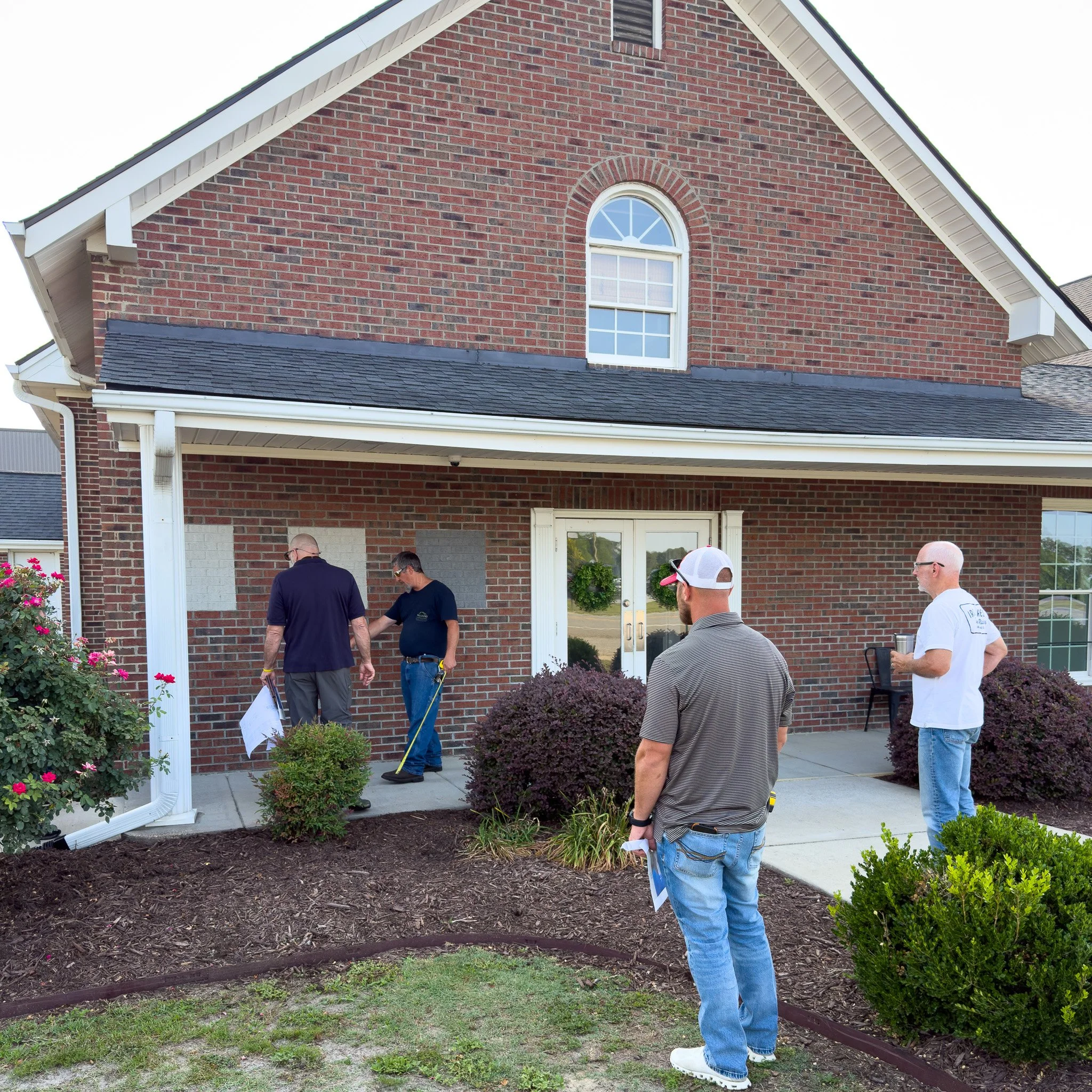

Opening a new business location or refreshing an existing commercial space is one of the most personal and most significant investments a small business owner will ever make. The space you build reflects your brand, your values, and the experience you want every person who walks through your door to have. Getting it right matters — not just aesthetically, but structurally, functionally, and on a timeline that works for your business.
What most small business owners across Fuquay-Varina, Holly Springs, Angier, and the surrounding areas of Wake, Harnett, and Johnston Counties quickly discover when they start looking for a contractor is that the commercial construction market is largely built around large-scale projects. Big commercial general contractors are set up for warehouse buildouts, multi-tenant developments, and large corporate office parks. Their processes, their crews, and their communication styles reflect that scale.
A coffee shop owner. A boutique retailer. A salon. A small professional office. A community church refreshing their fellowship hall. These clients have a very different set of needs — and they deserve a contractor who treats their project with the same personal attention, clear communication, and relationship-driven approach that the project deserves.
That is exactly where McLeod Contracting Group works best.
What a Commercial Upfit or Buildout Actually Involves
Before diving into what makes a great contractor for small commercial work, it helps to understand what a commercial upfit or buildout actually involves — because the scope can vary significantly depending on the condition of the existing space and what the finished result needs to accomplish.
A tenant upfit is the reconfiguration and finishing of an existing commercial space for a new occupant or use. The shell of the space exists — the walls, the roof, the basic infrastructure — but the interior needs to be built out to suit the specific business moving in. This is the most common type of commercial work for small business owners opening a first or second location across the Fuquay-Varina and Wake County area.
A commercial buildout goes deeper — constructing the interior of a space from a raw or partially finished condition. This typically involves more extensive framing, mechanical rough-in, and finish work than a standard upfit.
Regardless of scope, most small commercial projects in North Carolina involve some combination of the following:
Flooring. LVP, tile, polished concrete, and commercial-grade carpet are all common in small business spaces — each with different performance characteristics, cost points, and installation requirements. Flooring selection for a commercial space needs to account for traffic volume, moisture exposure, maintenance requirements, and the visual identity of the brand.
Paint and wall finishes. The walls of a commercial space do a significant amount of brand communication work. Color selection, finish type, accent walls, and specialty treatments — including mural walls and feature surfaces — all contribute to the experience a business creates for its customers.
Ceiling work. Popcorn ceiling removal, drywall ceiling installation, exposed ceiling treatments, and the integration of lighting, HVAC registers, and sprinkler heads into a finished ceiling plane are all common scope items on small commercial projects.
Framing and drywall. Reconfiguring interior walls, adding or removing partitions, creating new rooms or open plan spaces, and finishing raw wall surfaces are foundational to most commercial upfits.
Electrical. Lighting upgrades, new circuits for equipment, outlet placement for point-of-sale systems, under-cabinet lighting in commercial kitchen areas, and coordination with licensed electricians for all rough-in and trim-out work.
Plumbing. ADA-compliant bathroom facilities, commercial kitchen rough-in, bar or coffee station plumbing, and any modifications to existing supply or drain lines.
Specialty finishes. Backsplashes in kitchen or beverage preparation areas, feature walls, built-in millwork, and custom elements that differentiate a space and communicate a brand's identity.
ADA compliance. Any commercial space open to the public in North Carolina must meet ADA accessibility requirements — including door widths, ramp grades, restroom configurations, and signage. A licensed general contractor handles permit compliance and ensures the finished space meets code before final inspection.
The Small Business Owner's Experience — What Makes It Different
Here is something the large commercial GCs rarely acknowledge: a small business owner going through a commercial upfit for the first time has almost exactly the same experience as a homeowner going through a major renovation. The emotional stakes are high. The investment is personal. The timeline matters because your business can't open until the space is ready. And the communication expectations are the same — you want to know what is happening, when it is happening, and what it means for your budget and your schedule without having to chase anyone down for an update.
The difference is that most large commercial contractors are not set up to provide that experience. Their project management systems, their communication habits, and their crew structures are built for scale — not for the small business owner who is personally invested in every decision and deserves to be treated like the most important client on the schedule.
At McLeod Contracting Group we bring the same process, the same values, and the same communication standard to every commercial project we take on — regardless of size. The same 10-step Design and Construction Process that guides our residential renovations applies equally to a coffee shop buildout or a community space refresh. The same JobTread client portal that gives homeowners real-time visibility into their renovation project gives small business owners the same visibility into their commercial upfit. The same licensed trade partners. The same written change order approval process. The same one-year workmanship warranty.
For a small business owner who has heard stories about contractors going quiet mid-project, missing deadlines, or returning with surprise charges after the contract is signed — working with a contractor who operates this way is a genuinely different experience.
The Types of Small Commercial Projects We Take On
At McLeod Contracting Group we are deliberately focused on the small commercial market — the kinds of projects where our relationship-driven approach and personal communication style add the most value and where the finished result matters most to the people behind the business.
The types of small commercial spaces we work in include:
Coffee shops and cafes. Buildouts and upfits that create the warm, functional, brand-appropriate environment a coffee shop needs — including beverage station plumbing and electrical, flooring appropriate for high foot traffic, feature walls and specialty finishes, and the permit management that a food service space requires.
Boutique retail. Retail upfits that configure a space for the specific merchandising, traffic flow, and brand aesthetic a retail business needs — including lighting, flooring, paint, built-in display elements, and fitting room or back-of-house construction.
Salons and wellness spaces. Salon buildouts that account for plumbing stations, electrical requirements for styling equipment, flooring appropriate for a salon environment, and the aesthetic finishes that communicate a wellness brand's identity.
Professional offices. Small office upfits for accountants, attorneys, medical and dental practices, real estate offices, and other professional service businesses — including conference room framing, reception area buildout, ADA-compliant restrooms, and the electrical and data infrastructure a modern office requires.
Community and faith-based spaces. Churches, community centers, and nonprofit spaces that need the same quality and communication standard as any commercial client — whether that means flooring and paint updates, ceiling work, kitchen improvements, accessibility modifications, or larger renovation scopes. We are currently working with several faith-based organizations across our service area and understand the unique dynamics of renovating a space that serves a community.
Restaurant and food service spaces. Upfits that address the specific mechanical, plumbing, electrical, and finish requirements of a food service environment — coordinated with the appropriate health department and building code requirements in Wake County, Harnett County, or Johnston County.
What to Look for When Hiring a Contractor for Your Small Business
The questions a small business owner should ask a contractor before hiring them for a commercial upfit or buildout are very similar to the questions a homeowner should ask before hiring a remodeling contractor — and we've covered those in depth in earlier blogs in this series. But there are a few commercial-specific considerations worth naming here.
Does the contractor have experience with commercial permitting in your jurisdiction? Commercial permits in Wake County, Harnett County, and Johnston County have specific requirements that differ from residential permits — including occupancy classifications, ADA compliance documentation, fire safety planning, and health department coordination for food service spaces. A contractor who primarily does residential work and occasionally takes on commercial projects may not have the permit experience your project requires. At McLeod Contracting Group we manage all permit applications and inspections for every commercial project we take on — and we know the process in our service area.
Can they give you a realistic timeline that accounts for your business opening date? For a small business owner, the construction timeline is directly tied to revenue. A space that isn't ready on time isn't just an inconvenience — it has a real financial cost. Ask your contractor specifically how they manage trade partner scheduling and material lead times, and what their track record looks like for hitting project timelines.
How do they handle changes and unexpected conditions? Commercial spaces — particularly older ones — frequently reveal unexpected conditions once demolition begins. Outdated electrical panels, plumbing that doesn't meet current code, asbestos in older ceiling or flooring materials, or structural conditions that affect the layout plan. Ask your contractor specifically how these situations are communicated and documented when they come up — and make sure the answer involves written change orders and your explicit approval before any additional work proceeds.
What does communication look like throughout the project? For a small business owner who is simultaneously building out a space and preparing to open a business — managing inventory, hiring staff, setting up systems, and marketing the opening — having a contractor who communicates proactively and consistently is not a luxury. It is a necessity. Ask specifically what the daily or weekly communication cadence looks like and what platform the contractor uses to keep you informed.
Why McLeod Contracting Group
We did not set out to become a large commercial general contractor. We set out to build a company defined by its values — Faith, Integrity, Relationships, Excellence — and to apply those values to every project we take on, whether that project is a kitchen remodel in Fuquay-Varina or a coffee shop buildout in Wake County.
The small business owners we work with are not looking for the biggest GC in the market. They are looking for a contractor who listens, communicates, shows up, does the work right, and treats their project like it matters — because it does. That is what McLeod Contracting Group delivers on every commercial project we take on.
If you are a small business owner, a property manager, a church or nonprofit leader, or a first-time commercial tenant planning a buildout or upfit in Fuquay-Varina, Holly Springs, Angier, Lillington, Garner, Willow Spring, or anywhere across Wake, Harnett, or Johnston Counties — we would love to have that first conversation.
No pressure. No obligation. Just a straightforward conversation with a licensed, insured general contractor who believes your business deserves the same quality and communication standard as any project we take on.
👉 Contact McLeod Contracting Group to Start the Conversation
📞 (919) 283-6543
