
Bathroom Remodeling in Fuquay-Varina NC: What to Know Before You Start
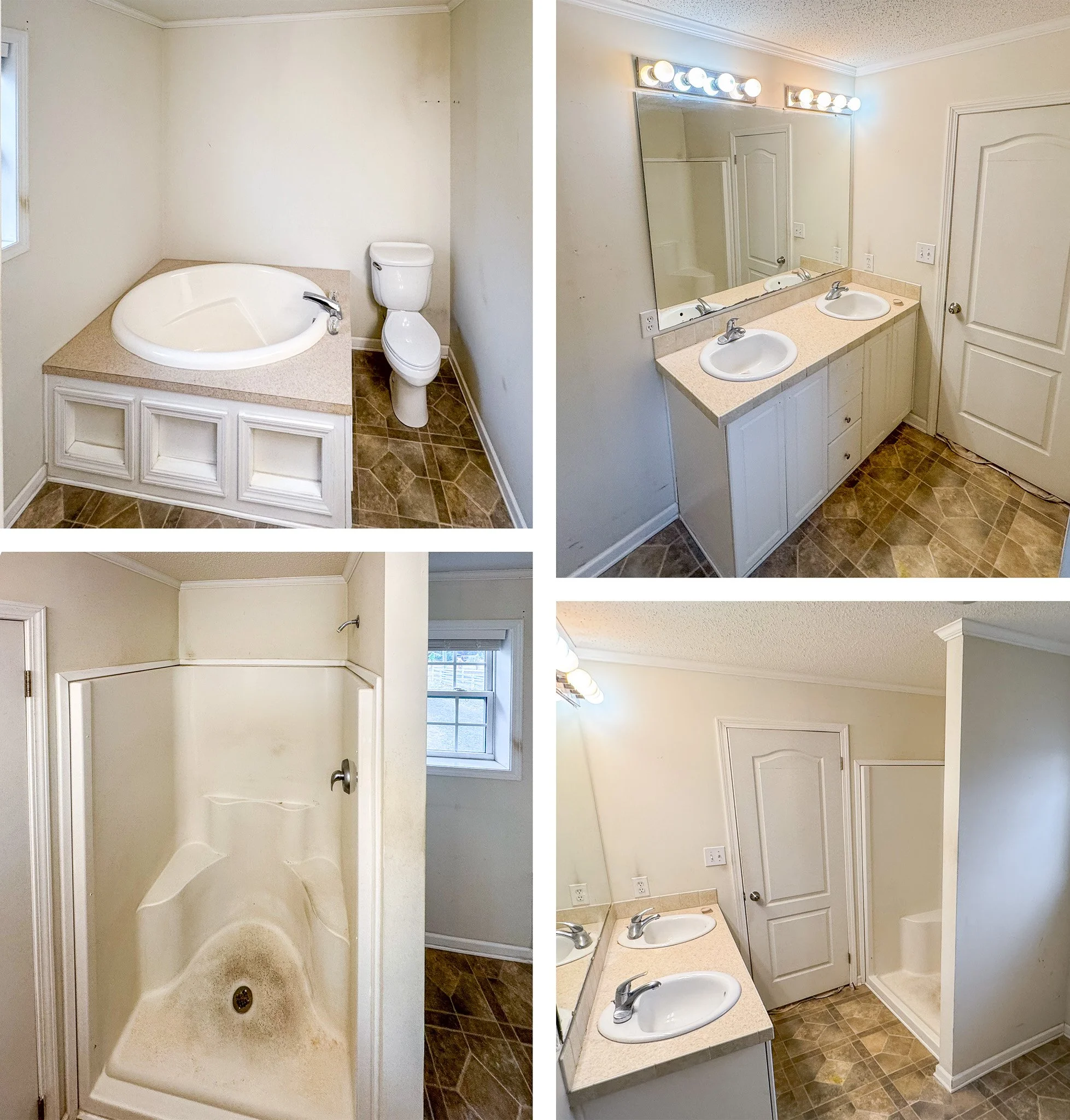
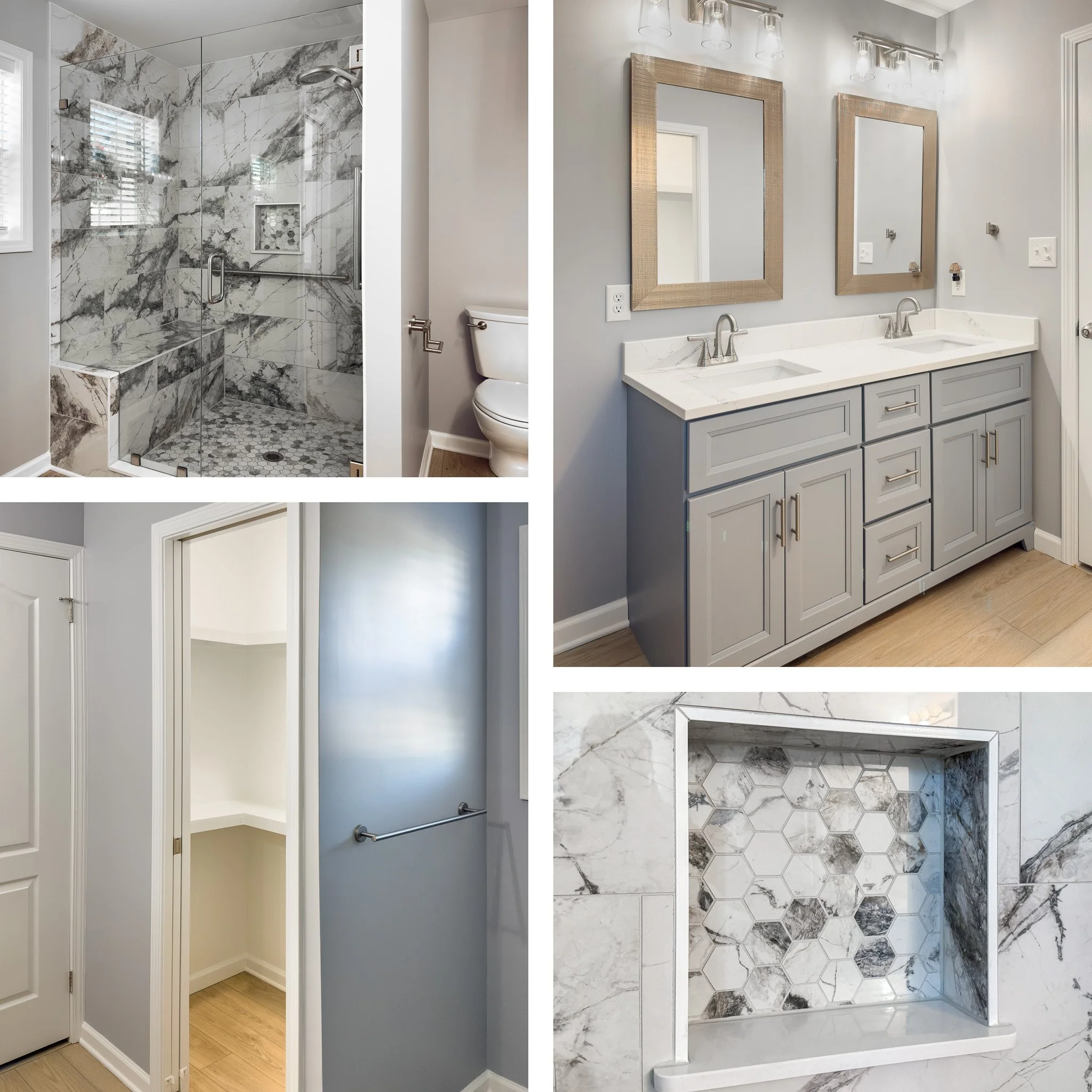
Of all the rooms in a home, the bathroom is the one that reveals its age most honestly. Dated tile. Worn grout. A vanity that was stylish in a different decade. A shower that functions but never quite feels like it belongs to the home it's in.
For homeowners across Fuquay-Varina, Holly Springs, Angier, Lillington, Garner, and Willow Spring, a bathroom remodel is consistently one of the highest-return investments they can make — both in terms of daily quality of life and long-term home value. A well-executed bathroom renovation transforms one of the most personal spaces in a home into something that functions beautifully, looks intentional, and holds its value for years.
It is also one of the most complex renovation projects a homeowner can undertake. Bathrooms concentrate more licensed trade work — plumbing, electrical, waterproofing, tile — into a small footprint than almost any other room in the house. The decisions made during planning have long-term consequences that are expensive to undo. And the sequencing of the work matters enormously — get it wrong and you're pulling out tile to fix a waterproofing problem you could have prevented.
This week we're covering everything homeowners across Wake, Harnett, and Johnston Counties need to know before starting a bathroom remodel — so the planning process is as informed as the finished result deserves to be.
Start With the Scope: What Kind of Bathroom Remodel Are You Planning?
Not all bathroom remodels are the same — and understanding which category your project falls into is the first step in planning it realistically.
A cosmetic refresh addresses the surface elements of the bathroom without touching the plumbing layout or structural components. New vanity, new fixtures, new lighting, new mirror, new paint, new accessories. This is the bathroom equivalent of the McLeod Kitchen Refresh — targeted upgrades that meaningfully improve the look and feel of the space without the cost or complexity of a full renovation. For bathrooms that are functionally sound but visually dated, a cosmetic refresh delivers significant impact at an accessible price point.
A mid-range remodel goes deeper — replacing tile, updating the shower or tub surround, installing a new vanity with new plumbing connections, upgrading lighting with licensed electrical work, and addressing any waterproofing concerns in wet areas. This is the most common scope for bathroom renovations in the Fuquay-Varina area and the one that typically requires permits, licensed trade partners, and a general contractor to manage the sequencing correctly.
A full bathroom renovation reconfigures the layout — moving the toilet, relocating the shower, adding a double vanity where a single existed, converting a tub-only bathroom to a walk-in shower, or expanding the footprint of the bathroom into an adjacent space. Full renovations involve significant plumbing rough-in work, structural changes in some cases, and a level of complexity that demands careful pre-construction planning and a licensed general contractor with strong trade partner relationships.
A primary suite addition adds a new bathroom to a home that doesn't currently have one associated with the primary bedroom — or expands an existing primary bathroom into a true spa-like retreat. This scope often involves structural work, new rough-in plumbing runs, electrical panel considerations, and full design coordination from layout through finish selections.
Understanding which category your project falls into shapes everything that follows — the budget conversation, the contractor selection process, the permit requirements, and the realistic timeline.
The Elements of a Bathroom Remodel — and Why Each One Matters
A bathroom remodel involves more interconnected systems than almost any other room in the house. Here's what each element involves and why the decisions you make about each one have lasting consequences.
Waterproofing
Waterproofing is the single most important element of any bathroom renovation involving a shower or wet area — and the one that is most frequently underinvested in when homeowners or contractors cut costs. A proper waterproofing system in a shower involves a membrane installed over the substrate before any tile goes down — creating a continuous barrier that prevents moisture from reaching the structural elements behind and beneath the tile.
In North Carolina's climate, moisture management in wet areas is particularly critical. A shower that looks beautiful on the surface but was tiled over an inadequate or improperly installed waterproofing membrane is a shower that will eventually fail — and when it does, the damage is almost always significantly more expensive than the waterproofing investment would have been.
At McLeod Contracting Group, waterproofing in wet areas is non-negotiable. We use properly specified waterproofing systems installed by our tile trade partners, and we never allow tile to go down in a shower or wet area before the membrane is correctly installed and inspected.
Tile Selection and Installation
Tile is one of the highest-impact visual elements in any bathroom renovation — and one of the areas where the installation quality matters as much as the material selection. The tile itself can be beautiful, but poorly installed tile — uneven grout lines, inadequate substrate preparation, improperly sloped shower floors, misaligned patterns — tells on itself immediately and degrades over time.
For homeowners across Fuquay-Varina and Wake County choosing tile for a bathroom renovation, a few principles are worth keeping in mind. Shower floor tile should be small format — mosaic or small-format tile creates more grout lines, which means more texture and more slip resistance underfoot. Large format tile on shower walls requires a flatter, more carefully prepared substrate and a more skilled installer to execute correctly. And the grout color and type you choose affects both the look and the maintenance requirements of the finished tile work for years to come.
Our tile trade partners handle all tile installation on McLeod Contracting Group bathroom projects — bringing the same attention to layout, slope, grout line consistency, and edge detail that we apply to every tile scope we manage.
Plumbing
Every bathroom remodel that involves moving fixtures, adding fixtures, or replacing supply and drain connections requires licensed plumbing work — and a permit in Wake County, Harnett County, or Johnston County. This includes shower valve replacement, vanity drain and supply connections, toilet rough-in relocation, and any work on supply lines or drain stacks.
All plumbing rough-in work on permitted bathroom renovations must be inspected by the appropriate building authority before walls are closed — which is one of the many reasons that sequencing a bathroom remodel correctly matters so much. Closing walls before rough-in inspections pass creates a problem that costs significantly more to fix than it would have cost to do right the first time.
Electrical
Bathroom electrical work in North Carolina requires GFCI-protected outlets within a specified distance of water sources, proper ventilation fan sizing and installation, and in many cases panel-level considerations when adding new circuits for radiant floor heating, heated towel bars, or dedicated lighting circuits. All of this work must be performed by a licensed electrician and inspected before walls are closed.
Lighting in a bathroom renovation deserves more attention than it typically gets at the planning stage. The way a bathroom is lit — the placement of vanity lighting relative to the mirror, the presence or absence of recessed lighting in the shower, the overall color temperature of the fixtures — has a significant impact on how the finished space looks and feels every day. Making lighting decisions thoughtfully during the design phase produces a much better result than treating it as an afterthought.
Vanity, Countertop, and Fixtures
The vanity is the visual anchor of most bathrooms — and the element that most communicates the design intent of the renovation. Vanity selection involves balancing storage needs, countertop material, sink configuration, and the overall aesthetic direction of the space. For primary bathroom renovations across the Fuquay-Varina area, double vanities have become the standard for good reason — the functional improvement in a shared bathroom is significant.
Countertop material in a bathroom context is primarily a question of moisture resistance and maintenance. Quartz is the most practical choice for most bathroom applications — non-porous, highly durable, and available in a wide range of visual options. Natural stone performs beautifully but requires sealing and more careful maintenance. Solid surface materials offer seamless integration with undermount sinks at an accessible price point.
Plumbing fixtures — faucets, shower systems, tub fillers — vary enormously in quality and price. As we covered in our blog on “Where to Save vs Where to Spend on a Home Renovation”, fixtures are an area where there is genuine opportunity to find attractive, well-performing options at moderate price points. The shower valve behind the wall, however, is not an area to economize — a quality pressure-balancing or thermostatic valve installed correctly behind the tile will outlast the renovation itself.
Flooring
Bathroom flooring needs to balance slip resistance, moisture tolerance, durability, and aesthetic cohesion with the rest of the renovation. Porcelain tile is the most common and most practical choice for bathroom floors in the Fuquay-Varina area — durable, moisture-resistant, available in a wide range of formats and finishes, and compatible with radiant floor heating systems when that is part of the scope.
LVP has become an increasingly popular option in bathroom applications outside the wet zone — in the dry areas of larger primary bathrooms where the warmth underfoot and the design flexibility are meaningful advantages. LVP should not be used inside a shower or in areas of consistent direct water exposure — but in the right application it performs well and installs efficiently.
Permits and Why They Matter
A bathroom remodel that involves plumbing work, electrical work, or structural changes requires building permits in Wake County, Harnett County, and Johnston County. This is not optional — and it is not something a reputable licensed general contractor will suggest skipping.
Permitted bathroom work is inspected at the rough-in stage — before walls are closed — and at the final stage when the project is complete. Those inspections confirm that the plumbing connections, electrical work, and structural elements meet current North Carolina building code. They also create a documented record of the work that protects your home's value and provides important disclosure information when you eventually sell.
Unpermitted bathroom work — work performed without the required permits — creates real liability. If the unpermitted work is discovered during a home sale, it may need to be opened, inspected, and in some cases redone before the transaction can close. And if an unpermitted electrical or plumbing failure causes damage or injury, your homeowner's insurance coverage may be affected.
At McLeod Contracting Group we pull all required permits for every bathroom renovation we complete across our service area and manage the inspection process from submission through final approval. It is part of what our clients are paying for — and it is not something we compromise on.
How to Plan Your Bathroom Remodel: A Practical Starting Point
For homeowners across Fuquay-Varina, Holly Springs, Angier, and the surrounding areas of Wake, Harnett, and Johnston Counties who are beginning to plan a bathroom renovation, here are the most important steps to take before you call a contractor:
Define what you want to accomplish. Are you refreshing a dated space cosmetically? Reconfiguring the layout for better function? Converting a tub-only bathroom to a walk-in shower? Adding a primary suite bathroom? Being specific about the goal shapes every conversation that follows.
Set a realistic budget range. Bathroom renovations vary enormously in cost depending on scope, size, material selections, and the extent of plumbing and electrical work involved. Being honest with yourself and your contractor about budget — even a range — allows for an honest conversation about what is achievable and where tradeoffs might be made.
Make your selections before the project starts. Tile, vanity, fixtures, lighting, and flooring should all be selected and confirmed before construction begins — not decided mid-project. As we covered in our blog on “Why Renovation Projects Go Over Budget”, mid-project selection changes are one of the most reliable sources of cost overruns and schedule delays on bathroom renovations. Locking in your selections during the pre-construction phase is one of the most effective things you can do to protect your budget and your timeline.
Choose your contractor carefully. A bathroom renovation concentrates more licensed trade work in a small space than almost any other project. The contractor you hire needs to have strong relationships with licensed plumbers, electricians, and tile installers — and a clear process for managing the sequencing of that work. Ask specifically about waterproofing, permit management, and how change orders are handled if something unexpected comes up behind the walls.
If you are planning a bathroom remodel — whether a cosmetic refresh, a mid-range renovation, or a full primary suite transformation — for your home in Fuquay-Varina, Holly Springs, Angier, Lillington, Garner, Willow Spring, or anywhere across Wake, Harnett, or Johnston Counties, we would love to walk through the space with you.
No pressure. No obligation. Just an honest conversation with a licensed, insured general contractor who takes bathroom renovations as seriously as any other project we complete.
👉 Contact McLeod Contracting Group to Schedule a Consultation
📞 (919) 283-6543
